Natural gas demand set for contraction this year, as tighter supply impacts prices – IEA

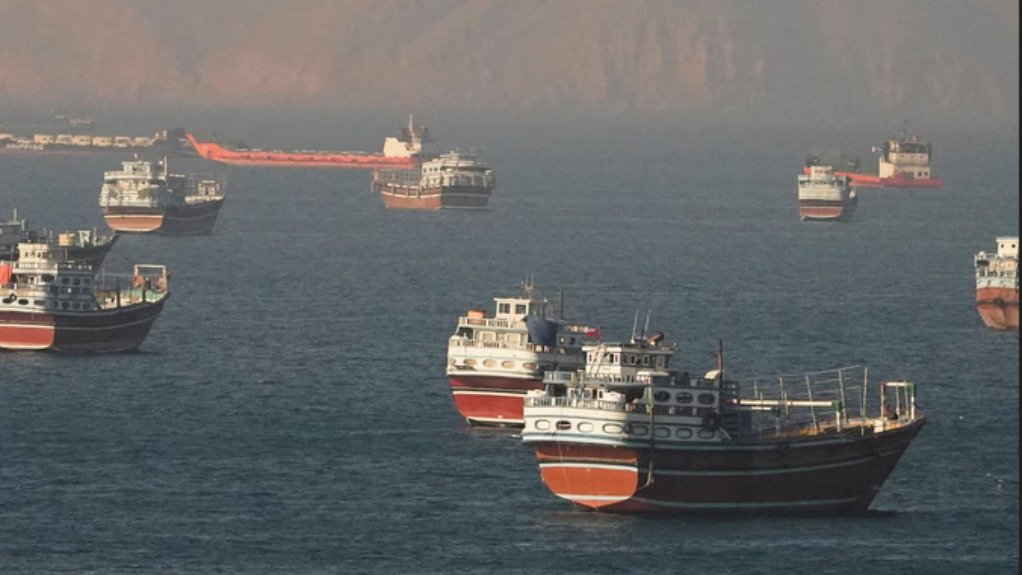


The world’s gas consumption is forecast to drop for the third time in seven years, even as liquefied natural gas (LNG) supply from producers in other regions helps offset losses in the Middle East, the International Energy Agency’s (IEA’s) gas market report for the third quarter indicates.
The impacts of the war in the Middle East continue to reshape the global natural gas market, with tighter supply and elevated prices weighing on demand in key markets.
The report forecasts global gas demand to decline by 0.5% this year, primarily owing to lower gas use in the power and industrial sectors.
This would mark the third time demand has contracted on a yearly basis in seven years.
The report examines how markets have responded to the major disruptions to gas shipments through the Strait of Hormuz, previously the conduit for about 20% of the global supply of LNG.
While the transit of LNG carriers through the strait has been on the rise since the US and Iran reached an interim agreement in mid-June to end hostilities and reopen the strait, traffic remains well below pre-conflict levels and significant uncertainty surrounds the outlook for future trade flows, the report points out.
Natural gas prices in Asia and Europe have moderated from recent highs in March but remain well above 2025 levels.
Initial data suggests that global demand for natural gas contracted in the first half of this year compared to the same period last year.
The report posits that this appears to have been largely driven by a decline in demand in the Middle East amid tighter supply and damage to gas-intensive industries.
It points out that gas demand has also softened in Asia amid higher prices and policy measures to reduce demand and to encourage fuel switching, particularly to coal in the power sector.
According to the report, the fall in LNG supply from Qatar and the UAE has been steep, with output declining by almost 80% in the March to June period compared with the same four months last year.
However, supply for the full year is forecast to be largely unchanged from last year as producers in other regions boost output – including from new LNG projects in North America, Africa and Australia.
At the same time, if a full reopening of the Strait of Hormuz is delayed beyond the beginning of the fourth quarter of this year, it could trigger the first yearly decline in global LNG supply since 2012, the report points out.
The implications of the conflict for LNG supply are set to extend beyond this year, the report warns.
Before the outbreak of the war at the end of February, the global gas market balance had been easing since the second half of last year as new LNG supply facilities came online. However, near-term supply disruptions and damage to gas infrastructure – including to Qatar’s Ras Laffan, the world’s largest liquefaction site – are expected to set back Qatar’s planned LNG capacity expansion. The impacts on projected supply growth are set to be largely concentrated this year and the next, which means markets could remain tighter than had been previously expected over the next two years, the report explains.
It also highlights the ways in which disruptions in the global gas market are impacting other parts of the energy sector and wider economy.
For example, the conflict has had a major impact on global supply chains for fertilisers, for which natural gas serves as a key feedstock. This has significant implications for food supply security, especially in the world’s most vulnerable regions, the report warns.
Article Enquiry
Email Article
Save Article
Feedback
To advertise email advertising@creamermedia.co.za or click here
Research Reports
Projects

Latest News


Showroom
For over 30 years, Werner South Africa Pumps & Equipment (PTY) LTD has been designing, manufacturing, supplying and maintaining specialist...
VISIT SHOWROOM
We supply customers with practical affordable solutions for their testing needs. Our products include benchtop, portable, in-line process control...
VISIT SHOWROOM
Announcements
What's On
Subscribe to improve your user experience...
Option 1 (equivalent of R125 a month):
Receive a weekly copy of Creamer Media's Engineering News & Mining Weekly magazine
(print copy for those in South Africa and e-magazine for those outside of South Africa)
Receive daily email newsletters
Access to full search results
Access archive of magazine back copies
Access to Projects in Progress
Access to ONE Research Report of your choice in PDF format
Option 2 (equivalent of R375 a month):
All benefits from Option 1
PLUS
Access to Creamer Media's Research Channel Africa for ALL Research Reports, in PDF format, on various industrial and mining sectors
including Electricity; Water; Energy Transition; Hydrogen; Roads, Rail and Ports; Coal; Gold; Platinum; Battery Metals; etc.
Already a subscriber?
Forgotten your password?
Receive weekly copy of Creamer Media's Engineering News & Mining Weekly magazine (print copy for those in South Africa and e-magazine for those outside of South Africa)
➕
Recieve daily email newsletters
➕
Access to full search results
➕
Access archive of magazine back copies
➕
Access to Projects in Progress
➕
Access to ONE Research Report of your choice in PDF format
RESEARCH CHANNEL AFRICA
R4500 (equivalent of R375 a month)
SUBSCRIBEAll benefits from Option 1
➕
Access to Creamer Media's Research Channel Africa for ALL Research Reports on various industrial and mining sectors, in PDF format, including on:
Electricity
➕
Water
➕
Energy Transition
➕
Hydrogen
➕
Roads, Rail and Ports
➕
Coal
➕
Gold
➕
Platinum
➕
Battery Metals
➕
etc.
Receive all benefits from Option 1 or Option 2 delivered to numerous people at your company
➕
Multiple User names and Passwords for simultaneous log-ins
➕
Intranet integration access to all in your organisation